✦ Christian V Rum · Journal ✦
700 years on the border — and a king who shaped the rum world.
Flensburg moved between Germany and Denmark for 700 years. From this borderland came a king — and his legacy lives in every sip.
Some cities have a history. Flensburg has four.
Few cities in Europe have changed nation as often — and held on to their identity as stubbornly. For more than 700 years Flensburg has been a city of borders, of merchants and seafarers. This history is the reason Christian V Rum has its origin here.
The king after whom this rum is named was born in Flensburg. It was his political vision that laid the foundation for the Caribbean trade from which Flensburg rum would grow.
The shifts of the city
-
1284Danish
Danish origin
1284: Duke Waldemar IV grants Flensburg its town charter. The city sits within the Danish sphere. In 1460 King Christian I confirms its status — Flensburg remains Danish for 400 years and grows into the most important trading city of the Danish kingdom.
The 400-year Danish affiliation made Flensburg the natural gateway to the Danish colonies in the Caribbean — without that history, Flensburg rum would never have existed.
-
1646–1699✦ The key moment
Christian V — born in Flensburg
15 April 1646: Christian V is born in Flensburg. He becomes King of Denmark and Norway in 1670 — the first hereditary king of the absolute monarchy. In 1671 he sends two ships to St. Thomas and founds the Danish West India Company. He lays the foundation for the Caribbean trade that, a hundred years later, will turn Flensburg into the rum capital.
The paradox of history: Christian V was born in Flensburg — the city that, through his Caribbean trade, would become Europe's rum capital.
-
1755–1864Danish · Rum
The golden age of rum
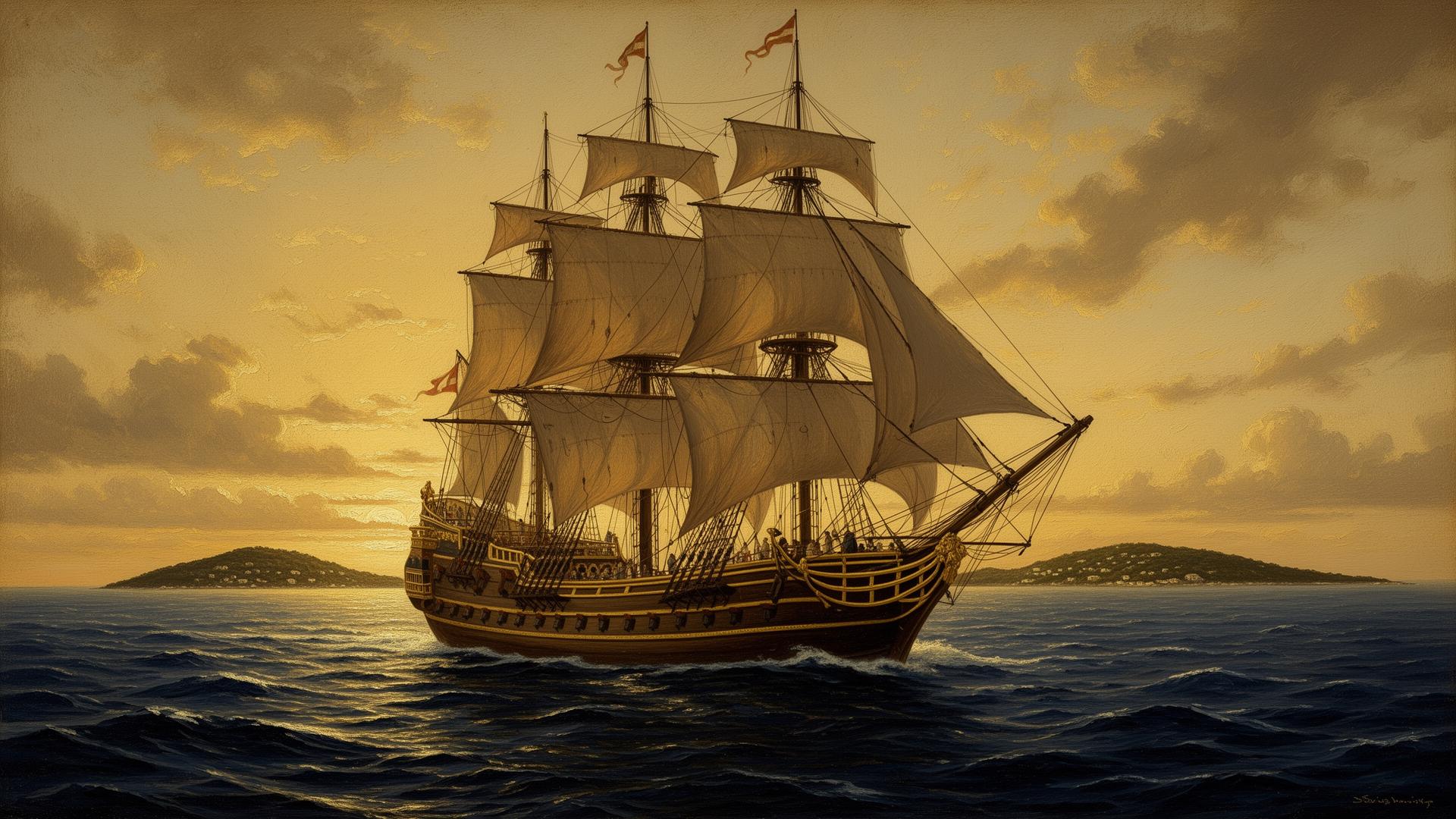
1755: The Neptunus sets sail as the first ship from Flensburg to the Caribbean. Flensburg and St. Croix — both Danish. Between 1775–1806 and 1820–1840 the golden age of Flensburg overseas trade unfolds: more than 200 rum houses in the city. Flensburg becomes a more important trading place than Copenhagen itself. The merchants' houses that still line the harbour today were built with rum money.
Financed by the Caribbean trade Christian V had set in motion a century earlier.
-
1864German
Prussia takes over
1864: Denmark loses the war against Prussia. After 580 years, Flensburg becomes Prussian-German. The link to the Danish Caribbean colonies is cut. From now on, rum comes from Jamaica, and Flensburg's craft of refining is applied to Jamaican distillate. The Flensburg rum blend (Rumverschnitt) is born.
Of all things, the loss of the Danish connection created what makes Flensburg unmistakable — the rum blend as an independent product category.
-
1920Referendum
The vote: Flensburg stays German — narrowly
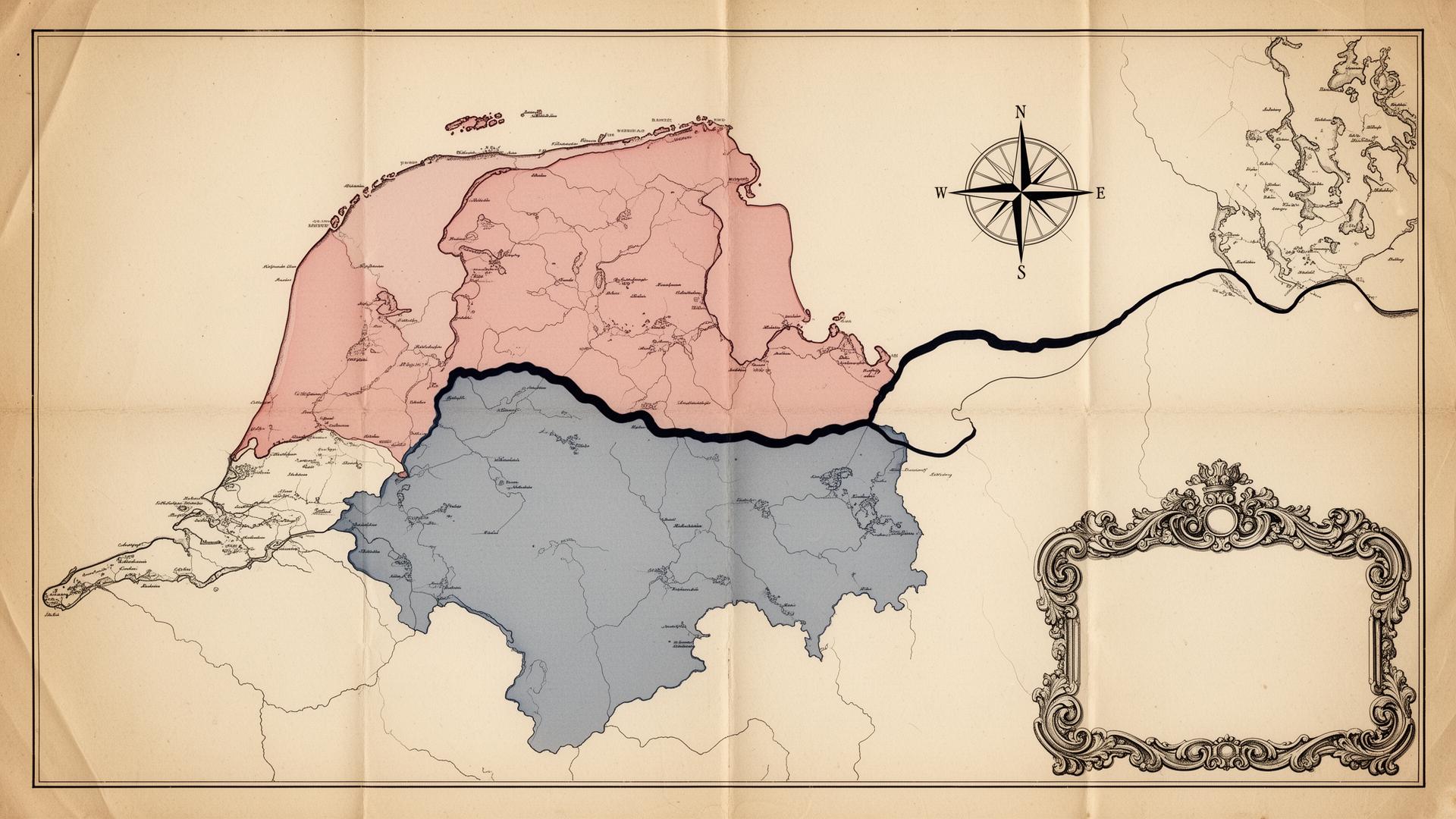
1920: Referendum on Schleswig after the First World War. The northern part votes Danish, the southern German. Flensburg: roughly 75% for Germany. Today's border is born — Flensburg lies 7 km south of it. To this day, it is the only major German city with an active Danish minority of its own (schools, libraries, churches).
The border runs straight through the identity of the city. And through its rum history.
The man behind the name
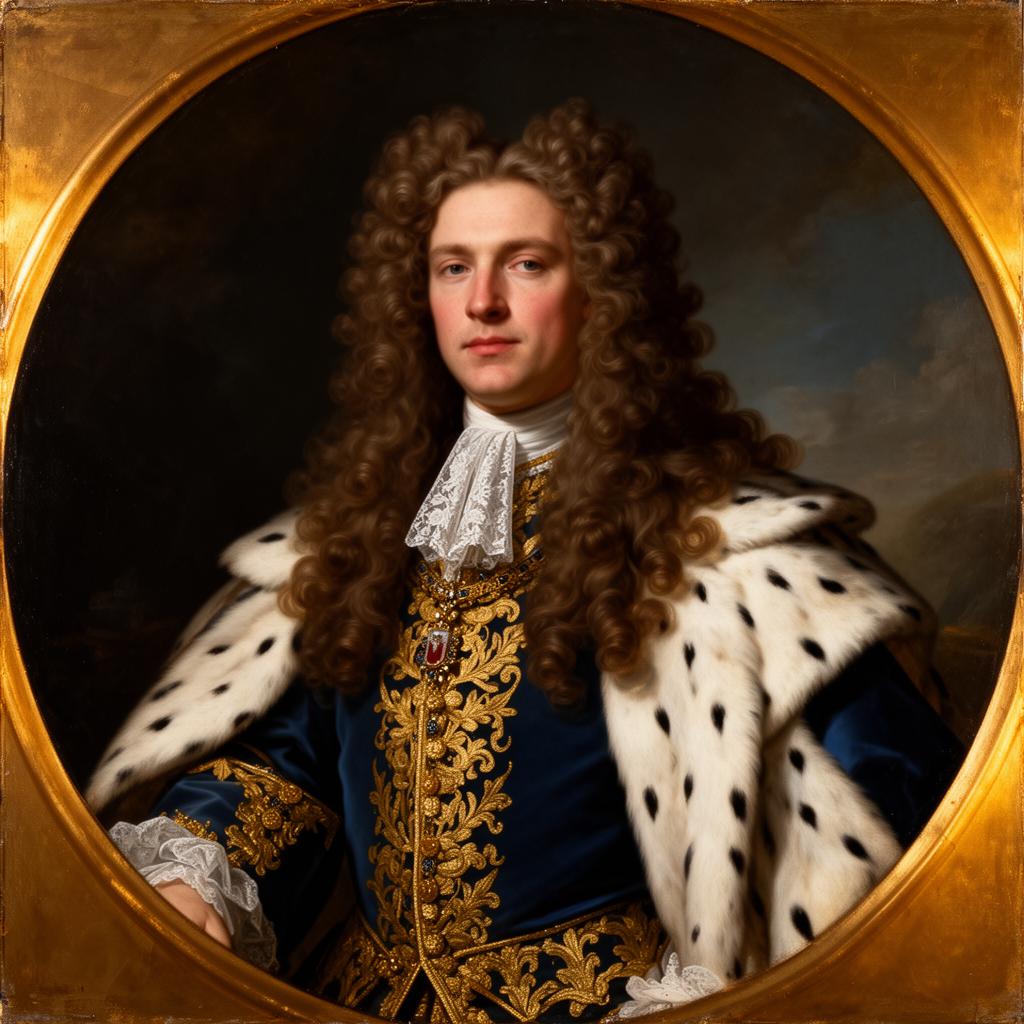
Christian V — Flensburg child, Danish king
Born 15 April 1646 in Flensburg. The first hereditary king of Denmark. Took the throne in 1670 at the age of 24. Granted the Danish West India Company its Caribbean trading privilege in 1671. Issued the Danske Lov in 1683 (the unified Danish code, parts of it still in force today). Died 1699 in Copenhagen — never lived to see the rum boom his policy had set in motion.
- 1646
- Born in Flensburg
- 1671
- Caribbean privilege
- 1755
- First rum voyage
- 200+
- Rum houses at the peak
“Flensburg was for a time the rum capital of Europe — a city that was never quite German and never quite Danish.”
| Period | Character | Rum significance |
|---|---|---|
| 1284–1864 | Danish ~580 years | Foundation for the Caribbean trade |
| 1646–1699 | Christian V — born in Flensburg | Starts West India Company in 1671 |
| 1755–1864 | Danish · golden age | Neptunus, 200+ rum houses |
| 1864–today | German with Danish minority | Flensburg rum blend emerges |
| 1920 | Referendum: 75% for Germany | Flensburg remains a rum city |
Christian V Rum is more than a drink. It is a stance — towards origin, towards history, towards what arises when two cultures meet and create a third thing that belongs to neither alone.