✦ Christian V Rum · Journal ✦
A harbour city where you can still smell the rum in the air.
Distilleries, rum houses, historic courtyards, the Rum Museum, the museum shipyard and the famous Rum Regatta – a travel guide through the Flensburg that still tastes of rum.
Flensburg has been called Germany's "rum capital" for more than two centuries — and unlike most romantic claims, this one survived. The Danish West India ships are gone, but the warehouses, courtyards, distilleries and tasting rooms are still here. This is a walk through them.
Why Flensburg still smells of rum
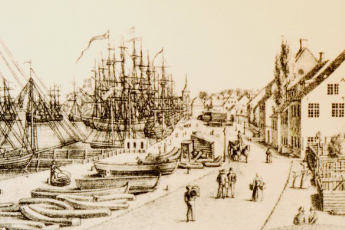
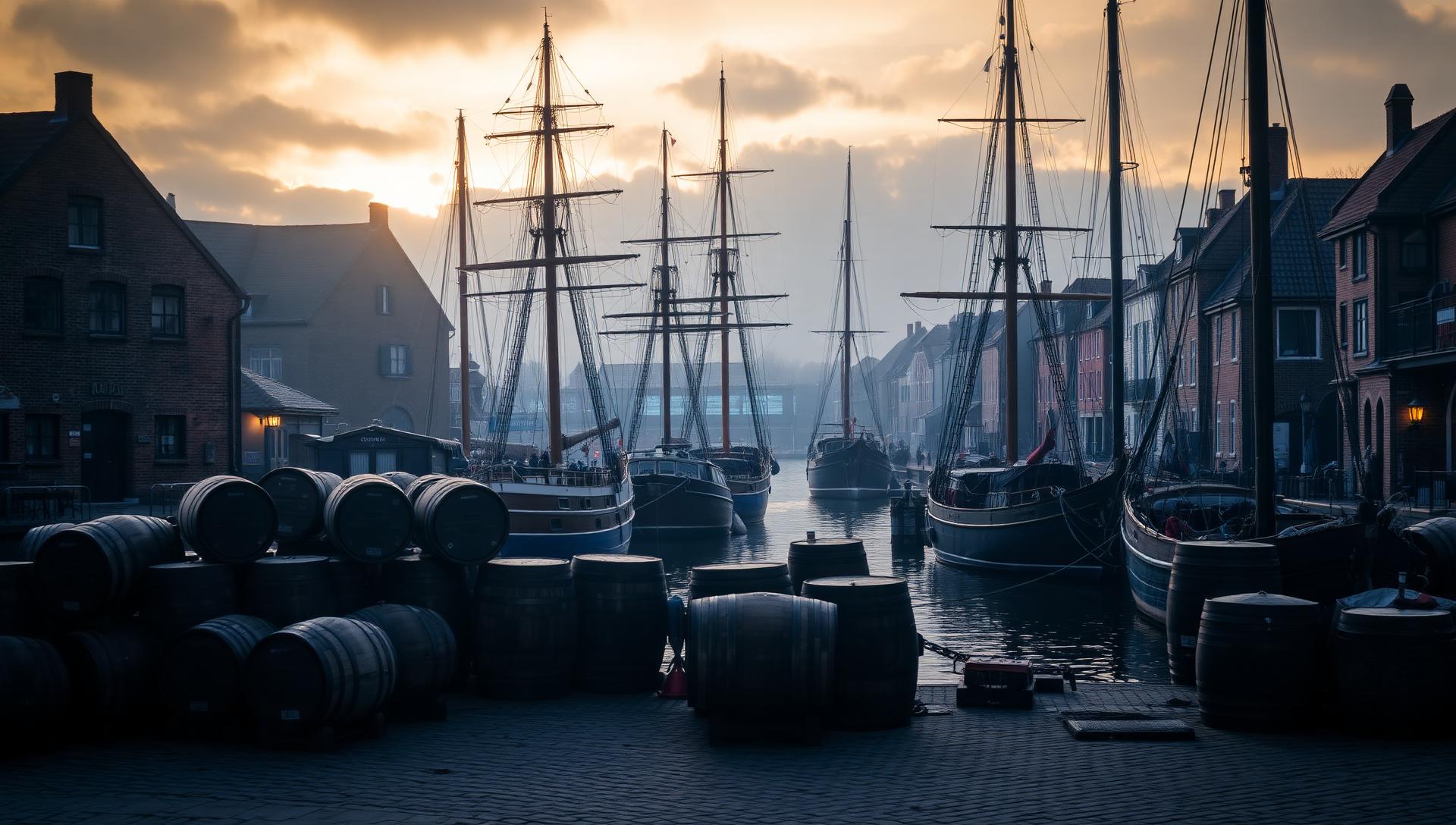
Between the late 18th and the early 20th century, Flensburg ran more than two hundred rum houses. Raw rum from the Danish West Indies (today's U.S. Virgin Islands) arrived in oak casks at the Flensburg fjord, was diluted, blended, refined and bottled in the courtyards along the Norderstraße and Große Straße — and shipped out across northern Europe. That history is not in a glass case. It is woven into the architecture, the smell of the old warehouses, and a handful of family businesses that never stopped working.
The distilleries
Neptuns Rum · Dollerup
Just outside the city, in the rolling hills of Angeln, Neptuns Rum runs a small craft distillery focused on column- and pot-still rums made from local and Caribbean sugarcane derivatives. Tastings and tours are offered by appointment — the easiest way to actually see a working still in the region. Combine it with a drive along the fjord and a stop at one of the Angeln smokehouses.
A.H. Johannsen · Marienstraße
Founded in 1878, Rumhaus Johannsen is one of the last family-run blending houses in town. The shop on Marienstraße still holds the original wooden counter, the old bottles, and the slightly stern atmosphere of a 19th-century Kontor. Their classic Flensburger Rum-Verschnitt — the traditional 40 % blend — is the most authentic souvenir you can take home.
Braasch Rum-Manufaktur · Rote Straße
Braasch sits inside one of the most beautiful courtyards on the Rote Straße. The shop doubles as a small museum: oak casks under the ceiling, hundreds of single-cask rums on the shelves, and a tasting bar where the staff will happily walk you through 20-year-old Jamaicans, Trinidad column rums and Demerara stills. Probably the single best place in Flensburg to taste rum.
The Rum Museum
The Flensburg Maritime Museum houses the city's Rum Museum in its cellar — a permanent exhibition on the trade routes of the Danish West Indies, the bottling plants, the labels, the original tools and a sobering chapter on the sugarcane plantations and slavery on which the wealth was built. It is small, dense, and essential context for everything else on this walk.
The historic courtyards (Kontorhöfe)
The merchant courtyards along the Norderstraße, Große Straße and Rote Straße were the actual industrial sites of the rum trade: long, deep brick passages running back from the street, with warehouses, cooperages and bottling rooms layered around an inner yard. Many still bear the names of the rum families. A free self-guided "Rum & Zucker" trail map is available at the tourist office; the most atmospheric stretches are the Rote Straße (Braasch, Hof 19), the Große Straße and the Westindien-Speicher.
The Museumswerft & the harbour
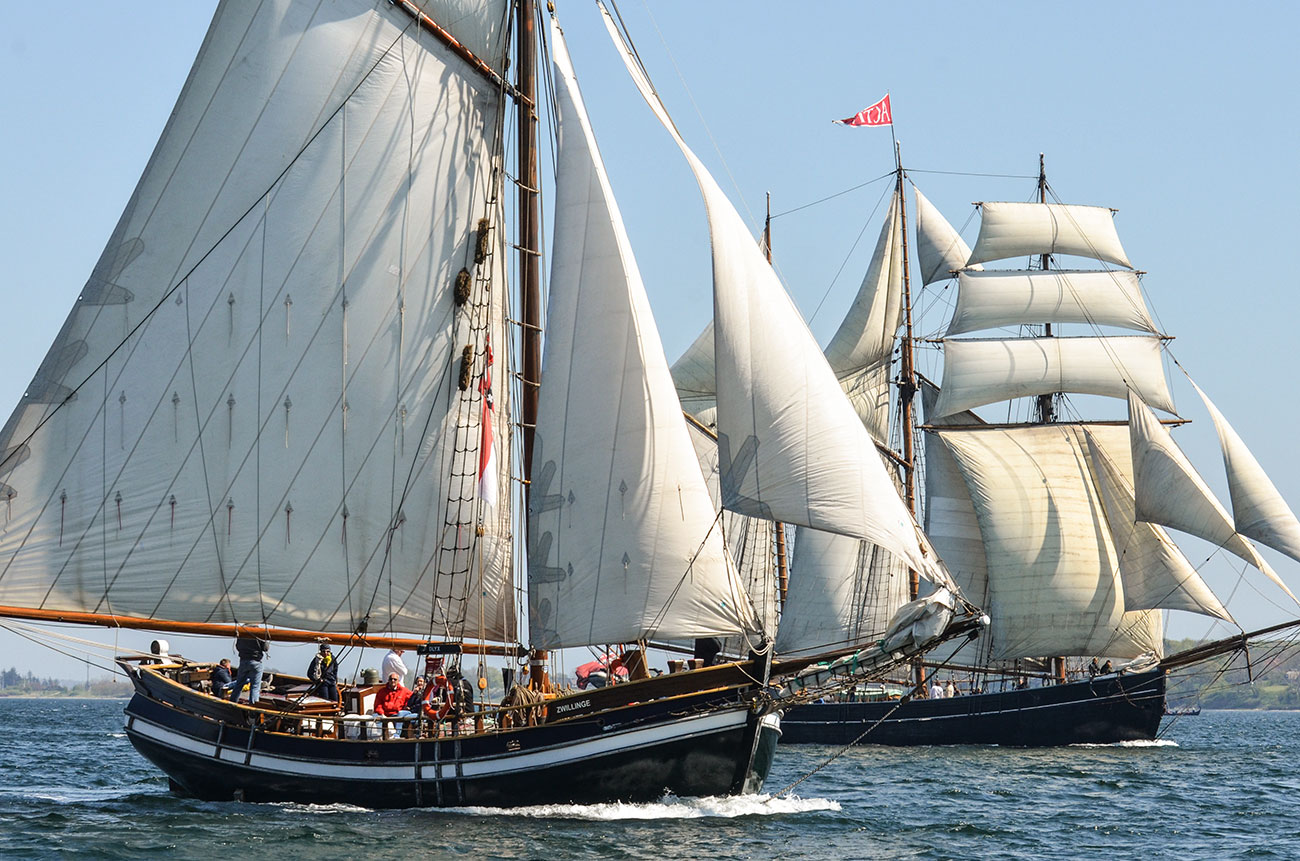
The Museumswerft at the southern end of the harbour still builds and restores traditional wooden sailing ships — the same kind of vessels that once carried Flensburg's rum. On a quiet weekday morning, with the smell of pine tar and the sound of caulking hammers, it is the closest you can get to the 19th-century working harbour. Walk a few minutes north and you reach the Museumshafen with its restored gaff schooners and ketches.
The Rum-Regatta
On the Pentecost weekend each year, Flensburg hosts the Rum-Regatta — the largest gathering of traditional sailing ships in the western Baltic. Around 100 historic vessels race across the fjord; the trophy for the winner is, naturally, a barrel of Flensburger Rum. The harbour spends three days in full festival mode, with shanty choirs, tastings and an open Museumshafen. If you can plan a trip around any single weekend in Flensburg, this is the one.
What else still remembers the rum
Look up while you walk: many of the old facades on Norderstraße and Große Straße still carry the company names of long-gone rum houses (Hansen, Petersen, Pott, Asmussen). The "Westindienspeicher" (West India warehouse) on the Schiffbrücke is one of the most photographed buildings in town. The Schifffahrtsmuseum has the original ship models. And in almost every traditional restaurant you will still find a "Pharisäer" or a "Tote Tante" — Flensburg's two famous coffee-and-rum desserts.
Where to stay
For a base inside the city, the historic guesthouse Villa Boreal in Flensburg is a quiet, well-located option — a short walk to both the harbour and the Norderstraße courtyards. Their own journal goes deeper into the city than any guidebook: see for example their pieces on the history of Flensburg, regional specialities and what to do in the fjord region.
A suggested half-day route
Start at the Schifffahrtsmuseum (Rum Museum) on the southern harbour. Walk north along the Schiffbrücke past the Museumswerft and the Museumshafen. Cut into the old town at the Hafenspitze, follow the Rote Straße up to Braasch (tasting), continue to the Norderstraße and Große Straße for the Kontorhöfe, and finish at Johannsen on the Marienstraße. Allow four hours. Add Dollerup (Neptuns Rum) as a separate half-day trip by car or bus.